
Healthcare Data Visualization Agency: A HIPAA-First Buyer’s Guide
A generic BI agency can build you a beautiful dashboard. It’s a different, harder problem to build one that survives a HIPAA audit, enforces row-level access for PHI, and still gets adopted by clinicians who don’t have time to decode a confusing interface. This guide is specifically for that narrower, higher-stakes problem — choosing a healthcare data visualization agency, not analytics software in general.
Why Healthcare Dashboards Need a Different Kind of Agency
Healthcare dashboards carry requirements that don’t exist in most other industries’ BI work. A HIPAA-ready design requires role-based access, row-level security, audit logging, and monitored break-glass events — access controls that need to be designed in from the start, not retrofitted after launch. Dashboards also typically need to connect directly to EHR and claims systems via HL7 feeds or FHIR APIs, govern clinical KPI definitions consistently across every report, and hold up under regulatory scrutiny that a marketing dashboard never faces.
That combination — security architecture, clinical data literacy, and genuine design usability for time-pressed clinicians — is a narrower skill set than general BI consulting. It’s also why a specialist in this specific niche tends to outperform a generalist agency with a strong Tableau portfolio but no healthcare track record. For a wider look at what is already running inside hospitals, see our overview of AI in healthcare in 2026.

Agencies and Firms With Real Healthcare Dashboard Experience
| Firm | Known For | Best Fit |
|---|---|---|
| Fuselab Creative | Regulated, high-stakes dashboard design — healthcare interfaces for NIH, a multi-year contract with California’s Dept. of Health Care Services | Organizations needing a documented track record in regulated healthcare and government dashboards |
| Beyond Words Studio | Visual storytelling specifically for healthcare and research organizations | Teams prioritizing clear communication of complex clinical or research data over raw engineering depth |
| CitiusTech | Healthcare-focused analytics and technology, specializing in regulatory compliance and data interoperability | Hospitals, payers, and life sciences companies needing compliance-first delivery |
| Innowise | 80+ healthcare and pharma projects, ISO 13485/9001/27001 certified, built for HIPAA-regulated environments | Organizations wanting certified compliance processes documented up front |
| Helpware | HIPAA, SOC 2 Type II, and GDPR-certified healthcare data operations combined with analytics support | Health systems needing data operations support alongside dashboard delivery, not just a one-off build |
| Arcadia | Cloud-based, HIPAA-compliant healthcare data platform serving payers and providers (Aetna, Cigna, Highmark) | Large payers and providers needing a platform-plus-service combination at scale |
Landscape current as of late 2026; verify current compliance certifications and client references directly before engaging any provider.
What “HIPAA-Compliant” Actually Needs to Mean in the Contract

“HIPAA-compliant” gets used loosely in marketing copy across this entire category — it’s worth pinning down exactly what that means with any agency you’re evaluating, because the underlying platform choice changes what’s actually possible:
- A signed Business Associate Agreement (BAA) is non-negotiable — if an agency or the platform they build on won’t sign one, PHI should not touch that system at all.
- Role-based access and row-level security should be part of the initial architecture, not an add-on requested after the first demo.
- Audit logging and break-glass monitoring — the ability to track exactly who accessed what patient data and when, including emergency-override access — is a baseline requirement, not a premium feature.
- Where the AI/analytics processing actually happens matters. Some platforms route data through third-party AI services for enhanced features; for PHI, confirm whether that routing happens and whether it’s covered under the BAA, since this is exactly where compliance gaps tend to hide. The recent AI agent breach of a Medicare portal shows how quickly that kind of gap gets exposed.
- On-premises vs. cloud deployment changes the compliance burden. Self-hosted deployments put full infrastructure security responsibility on your organization; cloud deployments shift some of that to the vendor, but only if a proper BAA and audit trail are in place.
Platform Choice Still Matters, Even With the Right Agency
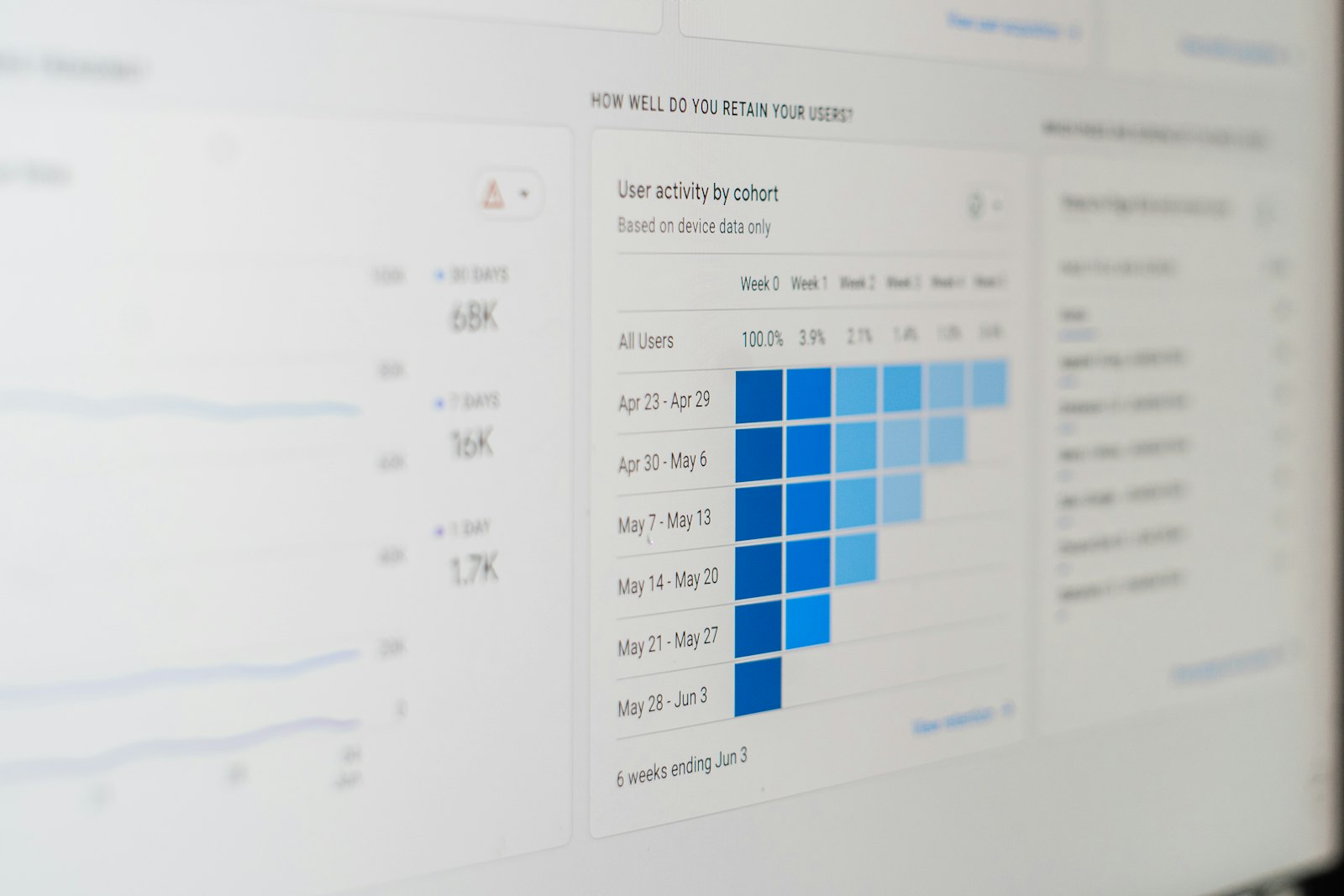
The agency you choose will typically build on top of one of a small number of platforms, and the platform itself carries real compliance and capability trade-offs worth understanding before you commit:
- Tableau offers the strongest visualization depth in most comparisons and supports HIPAA compliance through both Tableau Cloud (with a signed BAA) and on-premises Tableau Server — but it generally requires your data to already sit in a data warehouse, and certain AI features route through Salesforce Einstein externally.
- Power BI can meet HIPAA requirements when deployed inside a properly secured Microsoft Azure environment, and tends to suit organizations already standardized on the Microsoft stack.
- Qlik Sense supports a HIPAA-compliant environment with encryption and access controls, often favored by organizations already using Qlik for broader analytics.
- Purpose-built healthcare platforms (Health Catalyst, Qrvey, Knowi) are designed around HIPAA compliance and clinical KPI governance from the ground up, which can mean less retrofitting than adapting a general-purpose BI tool.
Questions to Ask Before You Sign

- Can you provide a reference from a healthcare client of comparable size and regulatory complexity to ours? General BI portfolio work doesn’t substitute for a documented healthcare track record.
- Will your organization sign a BAA covering every system that touches our data, including any third-party AI or analytics add-ons? A BAA that covers the core platform but not an integrated AI feature leaves a real compliance gap.
- How do you handle role-based access and audit logging during both design and after launch? Ask specifically how access changes are tracked over the dashboard’s lifetime, not just at initial setup.
- What does your team’s clinical data literacy actually look like? A dashboard that’s technically compliant but confusing to a working clinician under time pressure still fails at its actual job.
- What’s included in post-launch support, and for how long? Clinical KPI definitions and compliance requirements shift — clarify whether maintenance is bundled or billed separately once the initial build ships.
Frequently Asked Questions
Is Tableau or Power BI better for a HIPAA-compliant healthcare dashboard?
Both can meet HIPAA requirements with the right configuration and a signed BAA. Tableau generally offers stronger visualization depth but expects data already in a warehouse; Power BI tends to fit better for organizations already standardized on Microsoft/Azure infrastructure. The better choice depends on your existing stack more than a universal quality difference.
Do we need a healthcare-specialist agency, or can a general BI consultancy handle a hospital dashboard?
A general BI consultancy can technically build the dashboard, but healthcare-specific requirements — HL7/FHIR integration, clinical KPI governance, HIPAA-grade access controls, and genuine usability for clinical staff — are easy to underestimate without direct healthcare experience. A documented healthcare track record is worth prioritizing over a larger general portfolio.
What does a HIPAA-compliant dashboard project typically cost?
Compliance and security setup alone — audit controls, access architecture, security configuration — commonly runs from roughly $25,000 to $100,000 depending on complexity, before the visualization design and build work itself is priced in. Get a breakdown that separates compliance infrastructure cost from dashboard design cost so you can evaluate each independently.
Can an offshore agency handle a regulated healthcare dashboard?
It depends entirely on their documented compliance process and data residency arrangements, not their location alone. Ask directly about data residency, BAA coverage, and relevant certifications (HIPAA, SOC 2, ISO 27001) rather than assuming location determines capability either way.