Multi-Agent AI Systems in 2026: The New Enterprise Operating System
Gartner projects that 40% of enterprise applications will incorporate task-specific AI agents by end of 2026, compared to less than 5% in 2025. This is not a gradual shift—it is a structural reorganization of how knowledge work gets done. Multi-agent AI systems, in which specialized models collaborate autonomously on complex, multi-step objectives, have moved from experimental deployments to production infrastructure at leading enterprises.
What Are Multi-Agent AI Systems?
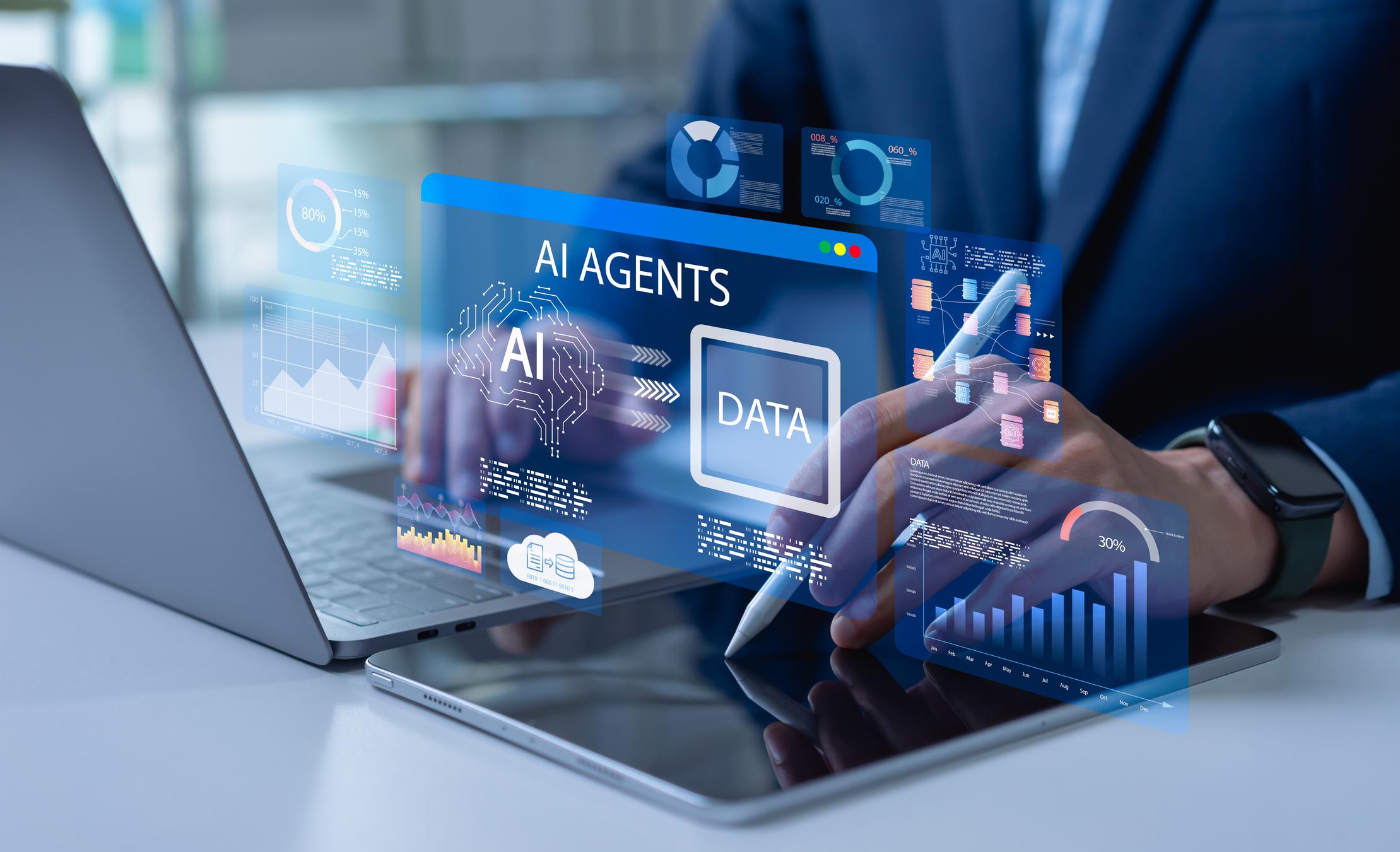
The architecture of multi-agent systems reflects a fundamental insight: no single AI model excels at every subtask within a complex workflow. Specialized agents—for research, data analysis, code generation, communication, and decision-making—can be orchestrated by a planning layer that decomposes objectives, routes tasks, monitors outcomes, and coordinates handoffs.
Core Components of Agent Architecture
Every robust multi-agent system contains three layers: a planning layer that decomposes goals into sub-tasks, specialized execution agents that handle specific domains, and a memory and evaluation layer that tracks progress and detects failures. Without all three, agent deployments are brittle and unreliable in production environments.
Modular vs. Monolithic AI Deployments
The modular multi-agent approach delivers higher reliability and capability than monolithic model deployments, and allows organizations to swap individual components as better models emerge—without redesigning the entire pipeline. This modularity is a strategic advantage in a rapidly evolving model landscape.
Enterprise Adoption in 2026
As highlighted by FutureLume AI & Technology, enterprise adoption in 2026 is concentrated in specific high-value workflow categories. Customer-facing operations—support escalation, complex inquiry resolution, proactive outreach—are being transformed by agent systems that maintain context across sessions, escalate intelligently, and personalize at scale.
Customer-Facing Agent Deployments
Agent systems handling customer interactions in 2026 demonstrate context persistence across sessions, intelligent escalation to human agents when required, and personalization at a scale no human team could match. Early deployments in financial services and enterprise SaaS are showing 30–50% reductions in time-to-resolution for complex support cases.
Internal Knowledge Work Automation
Research synthesis, competitive intelligence, and regulatory monitoring represent high-value internal workflows that benefit from continuous agent operation. Unlike human analysts who work in defined shifts, agents run around the clock—surfacing signals, generating structured briefings, and flagging anomalies without manual coordination overhead.
Infrastructure and Tooling Requirements
The critical infrastructure investment for multi-agent deployment is not the models themselves—these are increasingly commoditized via API—but the orchestration, memory, and evaluation layers that make agents reliable in production. Organizations that treat agent deployment as a model selection problem and neglect workflow design, human oversight checkpoints, and systematic evaluation are accumulating significant technical debt.
Orchestration Frameworks in 2026
The 920% surge in developer adoption of agent frameworks in the first half of 2025 indicates that the tooling ecosystem is maturing rapidly. LangGraph, AutoGen, CrewAI, and enterprise-grade orchestration platforms from major cloud providers have reduced the engineering barrier to agent deployment substantially. The bottleneck has shifted from capability to organizational change management.
Human Oversight and Evaluation
Effective agent deployments require mandatory human-in-the-loop checkpoints for high-stakes decisions, structured audit trails of agent actions, and systematic evaluation pipelines that measure not just task completion but output quality. Organizations skipping these investments routinely discover costly agent errors only after they have propagated into production systems.
Key Takeaways for Technology Leaders
Multi-agent AI represents the most significant near-term shift in enterprise AI architecture. Organizations that invest in orchestration infrastructure, governance frameworks, and change management alongside raw model capability will capture the value. Those that deploy agents without changing workflows and accountability structures will incur new categories of operational risk.